

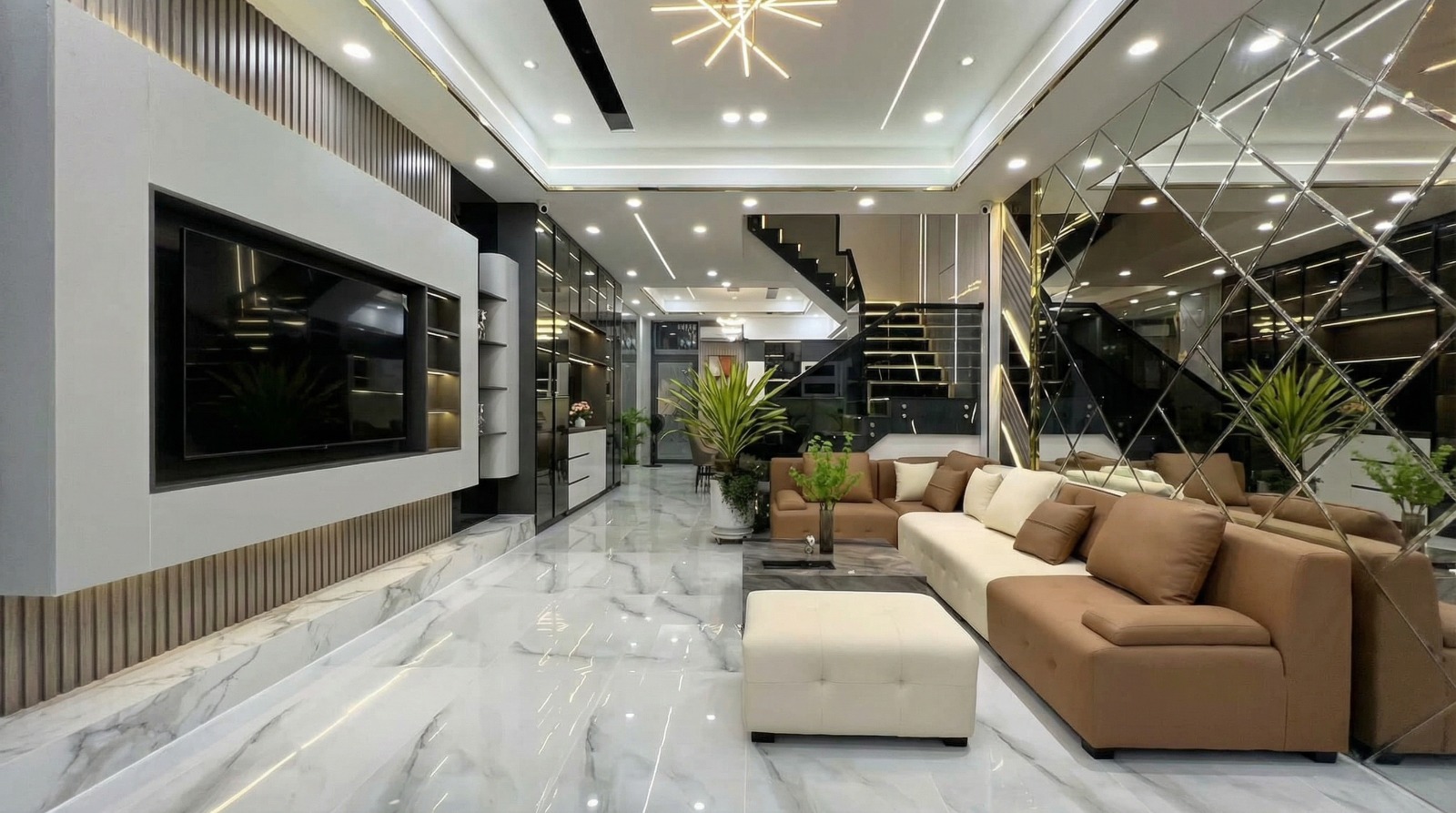

Dubai is synonymous with architectural marvels and cutting-edge design. Whether you are launching a new restaurant in Jumeirah, outfitting an office in Business Bay, or renovating a villa on the Palm, the interior environment is just as critical as the exterior facade. However, transforming a vision into reality requires more than just creativity and capital; it requires navigating the specific regulatory landscape of the emirate Dubai Interior Design Approval Process.
The approval process for dubai interior design approval process is rigorous for good reason. It ensures that every structure meets high standards for safety, sustainability, and quality. While the procedure might seem daunting to newcomers, understanding the steps involved is the best way to avoid costly delays and ensure your project gets off the ground smoothly. This guide breaks down the essential requirements, the authorities involved, and the common pitfalls to avoid during the approval journey Dubai Interior Design Approval Process.
Dubai Interior Fit-Out Approval Requirements
Before a single hammer swings or a partition wall goes up, your project must meet a specific set of criteria. The Dubai interior fit-out approval requirements act as the blueprint for compliance, ensuring that your space is not only aesthetically pleasing but also safe for occupancy.
The core of these requirements revolves around detailed design plans. Authorities expect comprehensive drawings that go beyond simple layout sketches. You must demonstrate adherence to Dubai’s strict safety codes, particularly regarding fire safety and structural integrity. Furthermore, environmental standards are increasingly important. Dubai is pushing towards greener initiatives, so your choice of materials, lighting, and energy consumption will come under scrutiny.
Compliance with Dubai Municipality guidelines is non-negotiable. These guidelines cover everything from ceiling heights and ventilation to waste management during construction. Failing to align your initial designs with these regulations is the fastest way to stall your project. It is crucial to work with professionals who understand these nuances from the concept phase.
For a deeper understanding of how we handle these complexities, explore Nords Interiors Fit-Out Services.
Authorities Required for Interior Design Approval in Dubai
Securing approval is rarely a one-stop-shop experience. Depending on your location and the nature of your project, you will likely need to interface with several different government bodies. The specific authorities required for interior design approval in Dubai generally include three main pillars, though others may be involved depending on the jurisdiction (e.g., Free Zones vs. Mainland).
Dubai Municipality (DM)
The Dubai Municipality is often the primary regulatory body for projects on the mainland. They review architectural drawings to ensure they meet the Dubai Building Code. Their approval validates that the space is habitable, structurally sound, and compliant with public health standards. For more specific regulations, you can visit the official Dubai Municipality website.
Dubai Civil Defence (DCD)
Safety is paramount in the UAE. The Dubai Civil Defence reviews all plans related to fire safety. This includes the placement of smoke detectors, sprinkler systems, emergency exits, and the fire rating of materials used in the fit-out. No commercial (and most residential) projects can proceed without a No Objection Certificate (NOC) from the DCD.
Dubai Electricity and Water Authority (DEWA)
If your renovation involves changes to the electrical load or plumbing infrastructure, you must get approval from DEWA. They ensure that your designs meet efficiency standards and that the existing infrastructure can support your new requirements Dubai Interior Design Approval Process.
In addition to these, if your project is within a Free Zone like JLT (DMCC) or Dubai Internet City (TECOM), you will also need to satisfy their specific authority requirements, which can sometimes differ from mainland regulations.
Documents Needed for Interior Fit-Out Approval Dubai
Bureaucracy runs on paperwork, and the fit-out process is no exception. Having a complete and organized submission package is vital for a quick turnaround. The documents needed for interior fit-out approval in Dubai are extensive and technical Dubai Interior Design Approval Process.
Typically, your submission package must include:
- Existing As-Built Drawings: Showing the current state of the unit.
- Proposed Architectural Layouts: Detailed plans of the new design, including furniture layouts, reflected ceiling plans, and flooring details.
- MEP Drawings: Mechanical, Electrical, and Plumbing plans showing HVAC distribution, lighting circuits, and water connections.
- Material Specifications: Technical data sheets for finishes, ensuring they meet fire ratings and sustainability codes.
- Trade Licenses: Copies of the trade license for the business occupying the space and the fit-out contractor performing the work.
- Affection Plan: A document issued by the Dubai Municipality showing the plot details.
Submitting incomplete or incorrect documentation will result in immediate rejection or requests for more information, pushing your start date back by weeks.
Interior Design Approval Timeline in Dubai
“How long will it take?” is the most common question clients ask. The honest answer is that the interior design approval timeline in Dubai varies based on several factors.
For a standard, small-to-medium commercial project (like a small office or retail shop), the approval process can take anywhere from two to four weeks if all documents are perfect upon first submission. However, larger, more complex projects involving structural changes or extensive MEP modifications can take significantly longer—sometimes up to eight weeks or more.
Factors affecting the timeline include:
- Authority Workload: During peak construction seasons, government reviewers are busier, leading to slower processing times.
- Design Complexity: A straightforward cosmetic refresh is approved much faster than a project requiring structural reinforcements.
- Revisions: This is the biggest time-killer. If authorities reject a plan and request changes, the clock essentially resets for that portion of the approval.
While it is impossible to control the authorities’ workload, accurate initial submissions are the best way to speed up the timeline.
Common Reasons for Interior Approval Rejection in Dubai
Rejection notices can be frustrating, but they are usually avoidable. Understanding the common reasons for interior approval rejection in Dubai helps in preemptively addressing issues before they reach the reviewer’s desk.
One of the most frequent causes for rejection is non-compliance with safety codes, specifically regarding fire safety. If your corridors are too narrow, your emergency lights are misplaced, or your materials lack the proper fire rating certificates, the Dubai Civil Defence will not sign off.
Another common issue is inconsistency in drawings. If your architectural plans show a partition wall that isn’t reflected in the HVAC plans (blocking a vent, for instance), the discrepancy will be flagged.
Finally, lack of accessibility is often overlooked. Public spaces in Dubai must be accessible to people of determination. Failing to provide ramps, accessible restrooms, or wide enough doorways where required will lead to rejection.
Why Expertise Matters
Navigating the labyrinth of approvals in Dubai is not a task for the inexperienced. The regulations are strict, the paperwork is heavy, and the cost of mistakes is high in terms of both time and money. The interior design approval process ensures that Dubai remains a safe, world-class city, but it requires patience and precision to navigate.
By working with an experienced partner like Nords Interiors, you ensure that your project is compliant from the very first sketch. We understand what the authorities are looking for and how to prepare your documentation to minimize the risk of rejection. If you are ready to start your project and want to ensure a smooth path to approval, contact Nords Interiors today.